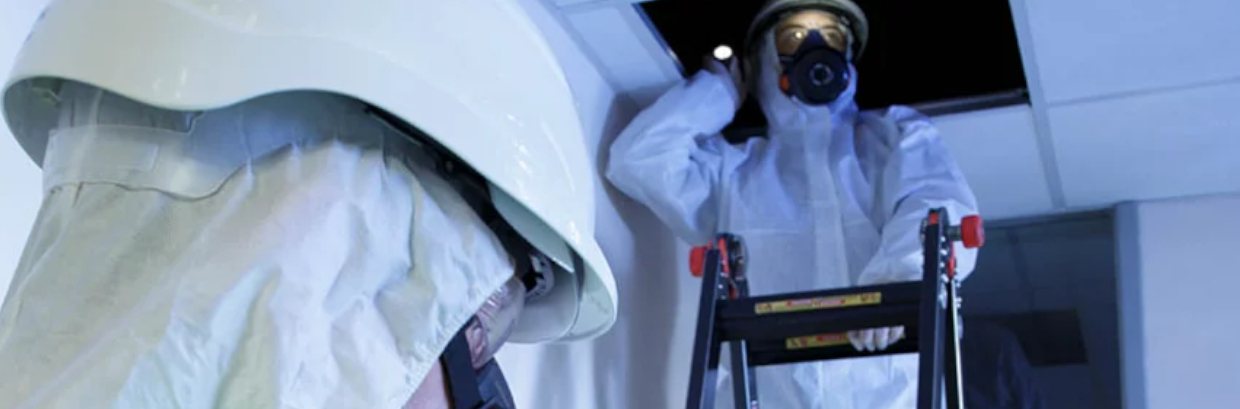
PLAN: Confirm asbestos is present
Carry out a systematic asbestos survey (in the UK this is called a management survey) to identify visually and sample for the presence and condition of asbestos-containing materials throughout all accessible areas of the building and associated plant and equipment. This work should be completed by a competent asbestos surveyor. Samples must be sent to approved laboratories for analysis.
In some countries the law requires that management surveys are carried out annually. Where it is not a legal requirement, if it’s foreseeable that asbestos-containing materials could have been damaged or may have deteriorated since the last survey (potentially releasing or exposing asbestos) and not reported, then a reinspection is recommended as good practice. Once all forms of asbestos have been identified, they must be managed correctly.
Ensure that workers are consulted when identifying asbestos-containing materials, as they may have identified potential areas for investigation.
Record where asbestos is. Create a record (in the UK this is called an asbestos register) that identifies what asbestos was found and where. It must include all locations in and around the building, and any plant or equipment. Records can be in the form of a table or a marked diagram or plan. Including photographs in the records will aid identification. You will also need to consider where the information is to be kept, how it will be accessed and by whom?
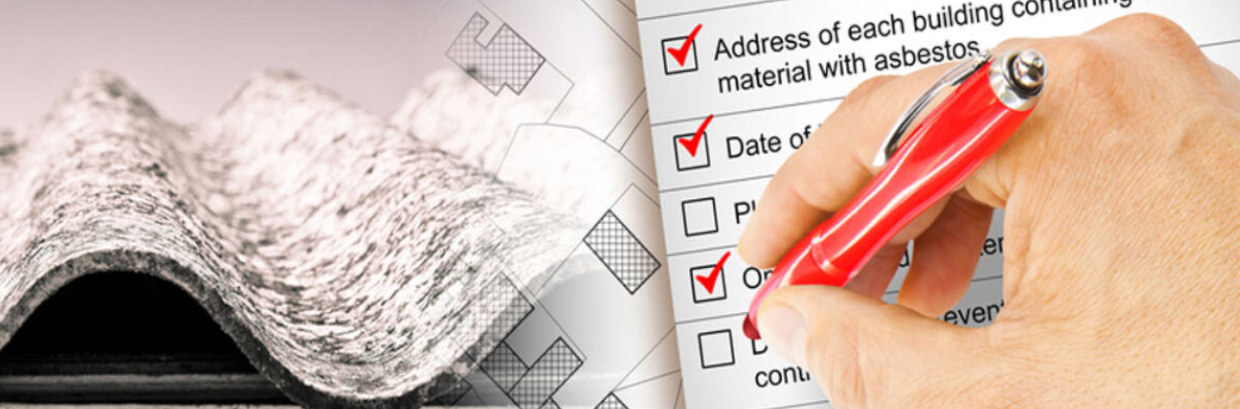
DO: Complete an organisational asbestos risk assessment
Consider who might be exposed to asbestos throughout the organisation. What tasks will they be doing that may damage the asbestos-containing materials and release fibres into the air?
Create an asbestos management plan covering all areas where asbestos-causing materials have been found
Consider the following points.
- Who is responsible for managing asbestos in your organisation?
- Should the asbestos-containing materials be removed, protected, sealed or encapsulated? (Asbestos-containing materials in good condition do not need to be removed if there is no risk of fibre release and exposure).
- What safety precautions can be implemented to prevent asbestos-containing materials disturbance/damage and subsequent inhalation of asbestos dust? The risk assessment will help with such safety precautions.
- How will workers be consulted when identifying what controls to implement and how the asbestos-containing materials will be managed?
- How will you make asbestos information readily available to workers and contractors at the time that it is needed?
- How will you keep asbestos records protected from unofficial amendment and updated with new information, and be certain that everyone is using the latest version?
- What are the minimum controls you implement when working on or around asbestos-containing materials? Think about your organisation’s asbestos procedures.
- What is the schedule for monitoring the condition of known asbestos-containing materials, including the frequency of review? This also plays a part in the ‘act’ section of the PDCA method.
- How does your organisation communicate decisions concerning the management of asbestos?
- What asbestos information needs to be recorded in fire management plans to aid the emergency services (eg fire and rescue service) when they are called to an emergency?
Workers should be informed of the level of risk to health and what precautions they must implement.
Planning for work on asbestos-causing materials
When you are planning invasive construction work, a refurbishment and demolition survey is needed. This is an invasive check, taking samples from all the inaccessible places that will be disturbed during the planned work. This work should be completed by a competent ‘asbestos surveyor’.
This information should be provided to those designing and planning the work, so that asbestos-containing materials are not damaged unnecessarily. It must also be given to those undertaking the work to help prevent accidental disturbance/damage. The best way to mitigate the risk of asbestos fibre release is to have asbestos removed (eliminated). The refurbishment and demolition survey should be given to the removal contractor.
Communicate the risks
When work may disturb and damage asbestos, workers should be informed of the level of risk to health and what precautions they must implement to keep themselves and others safe. This should be done as good practice, whether it is law or not in your country. Contractors are much more likely to disturb and damage asbestos-containing materials if they are unfamiliar with the location, so consider how you will make the latest version of the asbestos register and management plan available to them. All workers and contractors who are not carrying out planned asbestos work must be empowered to stop work immediately if they think they have or are about to damage asbestos-containing material. If your workers are going to work in or on someone else’s premises, ensure you find out and they are informed about any asbestos-containing materials they may come across.
Provide information, instruction and training for workers
It is good practice to provide asbestos awareness training to workers whose activity may disturb or damage asbestos-containing materials. This education must include where asbestos-containing materials can be found in the building/area, plant or equipment, how to work safely around them, and how to protect themselves and others from asbestos exposure. It is also good practice to demand that anyone working for contractors on your premises, whose activities may disturb or damage asbestos-containing materials, have also received asbestos awareness training. Workers and contractors must be empowered to stop work if they believe they encounter asbestos-containing materials.
Workers should also be provided with robust procedures when working with potential asbestos-containing materials, which will reinforce any information and training.

CHECK: Investigate asbestos-related incidents
Accidental asbestos-containing material damage incidents must be investigated to identify causes. The investigation must check:
- if the asbestos register and management plan were accurate and shared and local procedures were implemented and followed correctly
- whether those exposed had been informed of the presence of asbestos-containing materials (and the reasons if not)
- whether those exposed had been provided with relevant training.
A note should be made in the personal records of those exposed and kept for 40 years. Records should include when the incident happened, how long it lasted, the type of asbestos and the possible exposure levels.
Asbestos-related diseases can take 30 years or more to manifest. The victim may wish to seek compensation from the organisation they worked for when they were exposed. With no records, an organisation would probably be unable to defend itself.
Exposed workers should be submitted to an organisation health monitoring and surveillance programme.
It is good practice to provide asbestos awareness training to workers whose activities may disturb or damage asbestos-containing materials.

ACT: Evaluate and apply learning lessons
After any incident and investigation, learning lessons must be recognised and applied back into the asbestos management system.
The asbestos register and asbestos management plan should be reviewed regularly to ensure they remain as accurate as possible. Good practice would be to complete reviews on an annual basis or sooner, if required.
To manage the potential risk of asbestos exposure, organisations need to confirm and record where asbestos is. This can be done through carrying out an asbestos survey on buildings. Some of the surveys will not target all areas but will look at those where there is a high risk due to the materials used.
Organisations should, with support from their occupational safety and health (OSH) professional, carry out a risk assessment of the asbestos that has been found and record the control measures. This should be communicated to all workers and anyone who is likely to carry out work in the building.
If, for example, asbestos exposure is low risk and it is unlikely to be disturbed, the organisation should put up warning signs in the area. However, if the asbestos is high risk and likely to be disturbed, then it’s possible the organisation will decide to remove it to prevent contamination or dust exposure.
In this case, the organisation should create a plan of action and contact a licensed contractor to remove the asbestos and make the area safe. The organisation will also need to inform workers and ensure they are not in the area during the works.