
January 2024 |
TOP HEALTH AND SAFETY TRENDS FOR 2024
1. BUILDING NEW RELATIONSHIPS WITH THE REGULATOR
Nearly six years after Grenfell, the Building Safety Act is set to bring a significant shake-up to health and safety in facilities. Despite the delay in implementing the second staircase rule for buildings above 18 metres, various parts of the Act have already come into force. The Building Safety Regulator (BSR) has become the authority for all high-rise buildings, and a Mandatory Occurrence Reporting System is now required for each higher-risk building so the BSR can capture relevant risks.
The BSR has released its enforcement policy statement detailing how it will deal with breaches, including through verbal warnings and even recommending prosecutions when there has been a severe breach. Over the next three years, the BSR will have assessed up to half of higher-risk buildings. For any building or facilities manager, particularly those in higher-risk buildings, constructing a good relationship with the Building Safety Regulator is strategically essential.

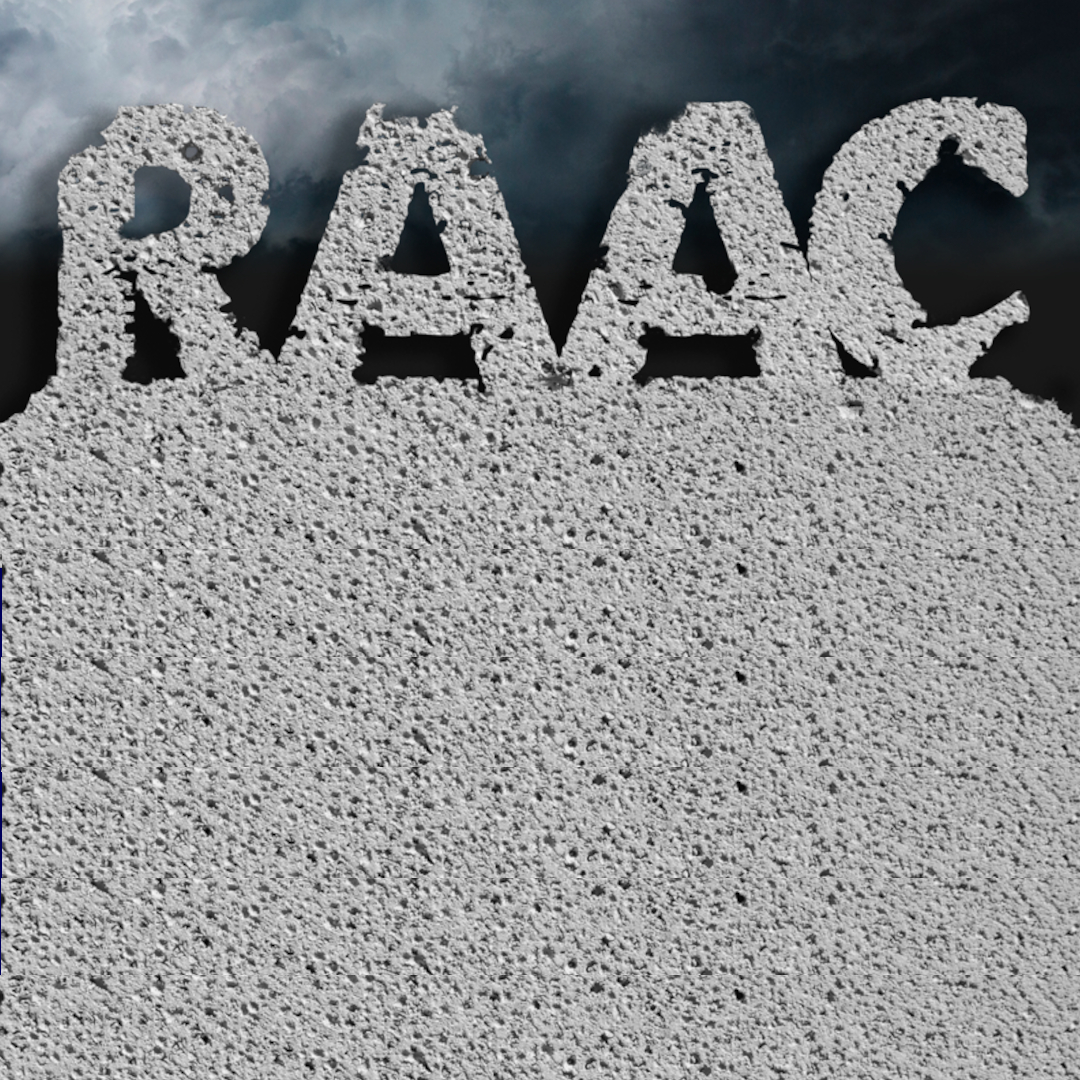
2. THE RAAC CRISIS CRUMBLES ON
Similar to asbestos, Reinforced Autoclaved Aerated Concrete (RAAC) could be present in an unknown number of buildings. The Health and Safety Executive (HSE) said RAAC is ‘beyond its lifespan’ and may ‘collapse with little or no notice’.
If you have identified a risk or RAAC, a building surveyor or structural engineer should be engaged to examine the situation. Conduct a risk assessment if RAAC is suspected in the building and contact the HSE and local authorities as soon as possible. If RAAC is found, it may need to be reinforced, removed and replaced.
3. WILL AN UNDERFUNDED HSE IMPACT HEALTH AND SAFETY?
More employers are likely to go unpunished after a workplace fatality, given the drop in funding and understaffing at the HSE. The Prospect Union has found the number of ‘mandatory investigations’ which are supposed to take place after a fatality or severe injury which were abandoned or did not take place, now stands at a staggering 389 in the last year, up from just two mandatory investigations that were dropped less than five years ago.
HSE’s funding is currently 43% below what it was in 2010. Less than twenty years ago, the HSE had 4,200 staff, which has fallen to half, around 2,400 in 2022.
In the previous year, around half of the 800 incidents which triggered a mandatory investigation were dropped because all reasonable precautions had already been taken. In contrast, half were dropped due to insufficient resources.
This lack of resources to investigate deaths at work causes real pain for families already suffering from the tragic loss of a loved one.
Angela Raynor, the shadow secretary for the future of work, has suggested increased enforcement and possibly even new legal protections to protect people at work after the next election, expected in 2024.


4. PSYCHOLOGICAL SAFETY IS IN VOGUE
Psychological safety means that employees feel they won’t be punished or humiliated for speaking up and being honest with their ideas, questions, concerns and mistakes. In a workplace that supports psychological safety, people should not feel embarrassed, rejected, or punished for sharing their ideas, asking for feedback, or taking calculated risks.
Where employees feel free to ask bold questions and share concerns, workplaces are better for it.
It can be significantly more challenging for people from certain groups often discriminated against in the workplace to speak up, so without a solid commitment to making that a reality, a state of psychological safety will not exist.
When psychological safety at work is low, and people are uncomfortable raising concerns, initiatives that aren’t working will often move forward anyway. The organisation will be less equipped to prevent failure, and talent may disengage. When employees aren’t fully committed to shared organisational success, ideas aren’t stress-tested, solutions aren’t vetted, and the enterprise has lost an opportunity to leverage the contributions of all its talent.
5. OCCUPATIONAL HEALTH SUPPORT IS NOT JUST A ‘NICE TO HAVE’
Although there’s no legal requirement for a general occupational health assessment, employers have a legal duty to protect their workers’ health, safety and welfare, provide a safe working environment, and manage any risks to health and safety. However, an occupational health service isn’t legally required unless an employee works under certain hazardous conditions.
However, the importance of occupational health professionals in supporting employees is paramount. Occupational health professionals can conduct a risk assessment to find any potential hazards and recommend some controls. They can also provide health surveillance if the person is at risk of ill health because of the job. There’s also support for employees with health conditions, making reasonable adjustments, undertaking education and training, and identifying early interventions to prevent problems from worsening.

KEEPING HEALTH AND SAFETY FRONT OF MIND IN 2024
Workplaces are dealing with priorities on multiple fronts. Still, businesses should remember that a mix of new legislation, compounding crises such as RAAC, and enhanced expectations from workers and stakeholders, means health and safety should not be the forgotten compliance priority in 2024, and OSH professionals are instrumental in ensuring that.