
Interview with Alison Collins, Head of Quantity Surveying
Topic: Women in Construction
Hi Alison thank you for agreeing to sit with me and have a discussion on your experiences as a woman in the construction industry.
Can we start with how you became interested in construction.
My father was a structural engineer, and I grew up being shown his sites. The ones regionally that people will remember and know are the International Garden Festival in Liverpool in 1984, the redevelopment of the Albert Dock, and if you’ve ever been out to New Brighton and seen the fantastic promenade, that was all done under my father’s watchful eye. He also he started off working locally for Warrington New Town Development Corporation and we drive under and over the bridges he designed every day.
I got an empathy for construction but when I looked into it I didn’t really want to do design work because (it wasn’t computerised at the time), so I undertook a Diploma in Building at college and one of the lecturers said that I had a great aptitude for measurement, quantifying, reading drawings, and that was an ideal qualification for going off and doing a quantity surveying degree, which I did at the University of Northumbria.
After two years of study in Newcastle, I undertook a year of work experience with British Rail in Birmingham, gaining experience in heavy civil engineering on the railways, which was fascinating work. I got to see some fabulous structures like Ribblehead Viaduct which was being refurbished (I think that was the highest scaffold I have ever climbed in my life from bottom to top), the redevelopment of New Street station, Manchester Airport rail link, projects we all take for granted now because they are just there.

Can you describe your early work experiences?
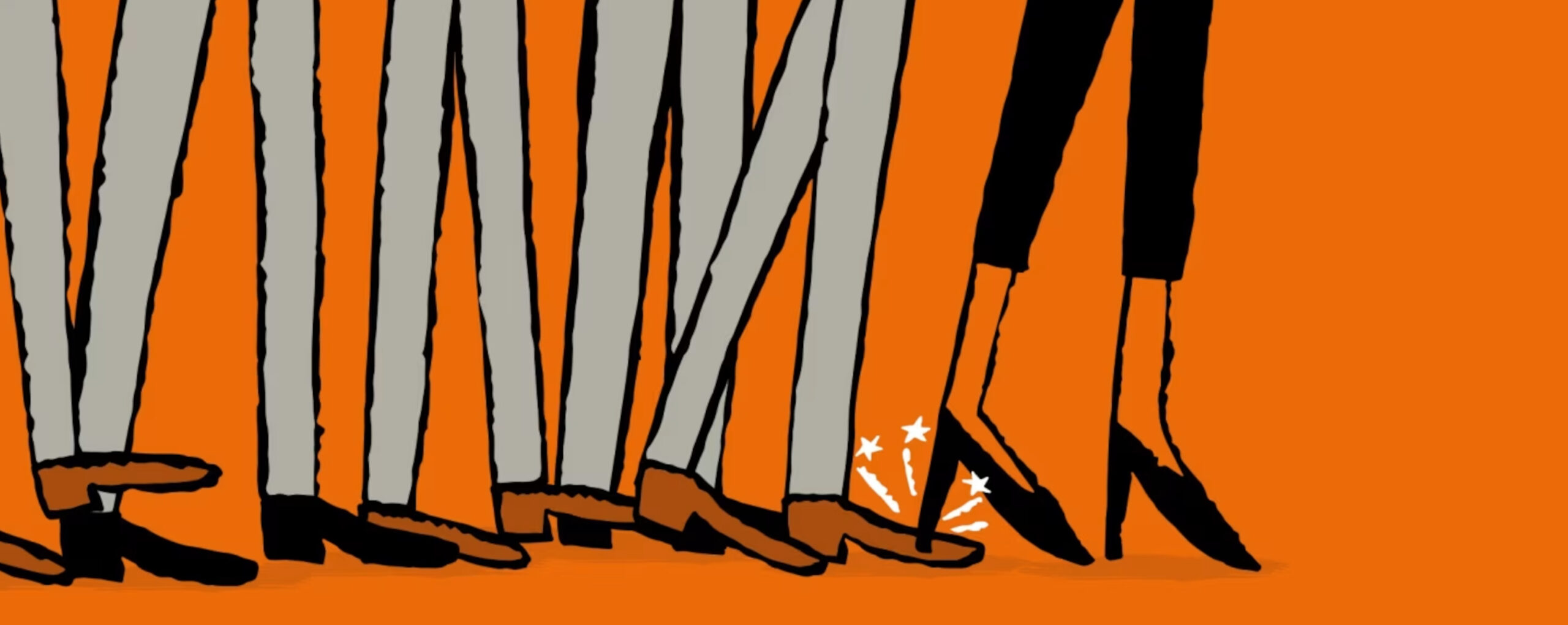
I graduated in 1993 into a recession where there were no Quantity Surveyor jobs but went to work for Durham University who needed asset surveys doing and required people who could measure and quantify. When that work came to an end, I wrote off to over 70 firms across the country, got two job interviews and a job which put me back in Warrington which was where I’d come from. So, I went and worked for a large national consultancy and that’s where I first experienced misogyny in its finest form, and very short-sighted people who only wanted to concentrate on what I could well and never let me develop my skills and learn new things.
I stuck with that company for five hard years and then moved on to a very enlightened firm in Stockport, who proceeded to train me up and gave me the skills I needed. Those skills have carried me throughout my working life and prepared me to realise that everybody’s range of abilities are different at different stages of their life. Nobody should ever be afraid to ask me a question in order to try to progress the work they are trying to do, because if they don’t know they are not much use to me, because they don’t know the answer. So, my attitude from working in my first graduate job where nobody would give me the answers and told me to mind my own business, has led me to have an open mantra that if you don’t know the answer ask! If you need to ask me again, still ask.
So your initial work experiences have shaped the way you work going forward from that point?
It has had a very strong influence on me and having worked for a firm that had that trained me up very, very well, I moved from there to an even bigger consultancy. The biggest let down from them being that they pushed and pursued me into getting Chartered which I managed to do and another surveyor, who was male, who didn’t get on and Charter at the same time as me, some six months later, was given an instant promotion. The excuse for not considering me was that I had taken time off to have children, 6 months statutory maternity leave. I eventually left that firm and setup and ran my own consultancy for a few years, but that was even harder. All of my clients were men, and they didn’t seem to want to pay me what I was worth.
It was at that point that I came to do freelance work for Keelagher Okey Klein, agreed an acceptable rate. I actually then said to KOK ‘give me job please, I’m fed up with being a consultant’ and they had a good look at me for a year and offered me the job as a senior QS, eventually proving my management skills to gain promotion to Head of Quantity Surveying.
What has your experience been like since you joined KOK?
Even as a consultant, their attitude towards me hasn’t changed, other than the working arrangement, the top management have been extremely approachable, very constructive in their comments, there is never an individual problem, it is the company’s problem, and we work together to resolved. The responsibility is always shared, and a solution normally comes out of this approach. They are an extremely supportive company.
If you had a magic wand what would you like to see change in the industry?
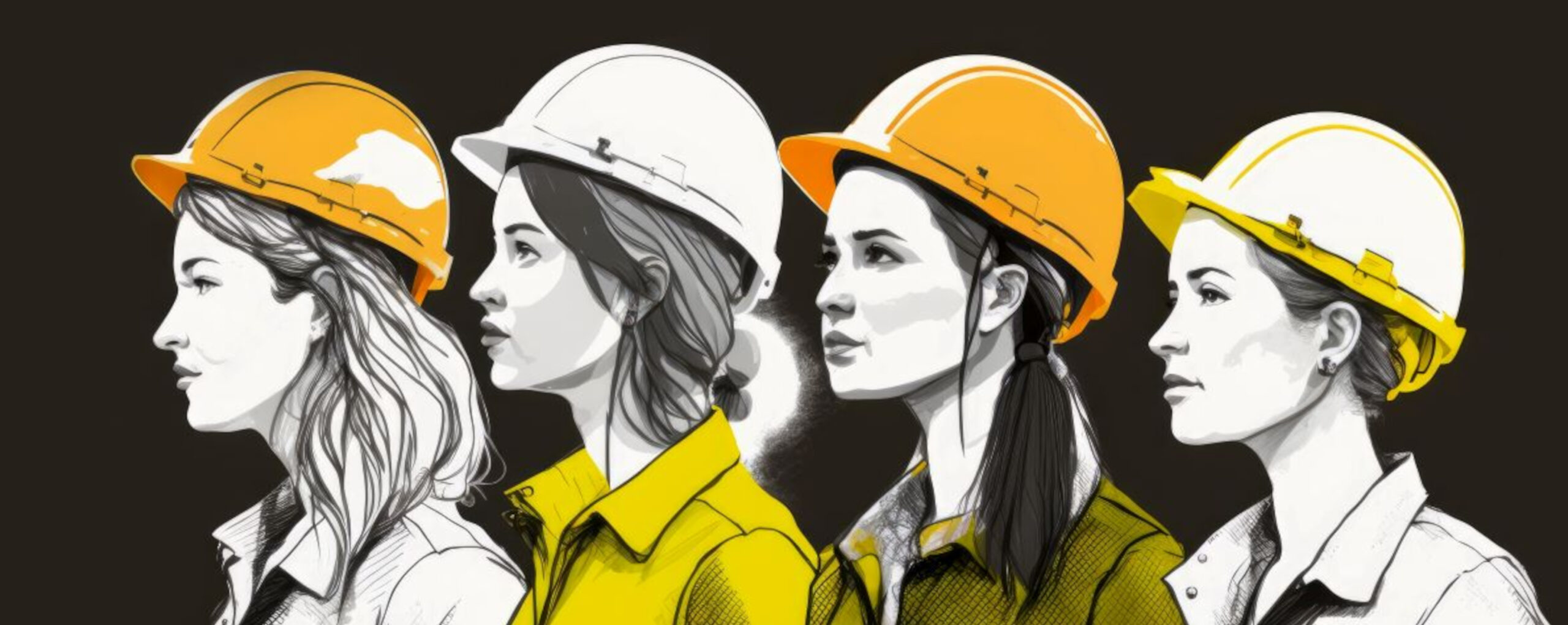
I think that education needs to come from school level, and I think that girls at school need to know there are no barriers and we are not just talking about professionals in construction, there are plenty of women who for example are trained up to be brick layers and plumbers, who are very good at it and get very well paid. There are no barriers, that is the secret. It’s not a man’s job. You might have to do heavy lifting but in these days it is not acceptable for people to overload themselves, you have to find better ways to make the work safe to do, and I think health and safety has improved the situation for women working in construction because of that, there isn’t an assumption you need a big hefty bloke to lift this and carry that. Probably one of the biggest differences now is attitudes at work with your colleagues, which is much better.
There was an incident in my early days where I was sent to a conference because one of the partners couldn’t go, at a hotel near Manchester Airport. I sat through the conference and about two weeks later a magazine was published for the institute and there was a photograph of me sat at a table with the comment ‘Note, our one lady delegate’. This was in early 1990’s and it was deemed so unusual that there was a female in the room it was worthy of a comment in a magazine!
You wouldn’t accept that these days, nor would you expect it to happen. There are barriers that some of us have had to crawl through, but I think it is a better time for new recruits to be accepted. I’m immensely proud that we have women in our company standing up to burly contractors on site visits. So long as you have the training and competence behind you there is no comeback.
What do you bring to the table as a woman in construction.
I think it is in management skills. I wouldn’t say it is something a male manager couldn’t bring to the table, but it is rare to see it in the way that I operate in that I encourage my team to talk to me and not be afraid to bring problems to me. I try to give them constructive feedback and what I do I get back from them is a positive reaction.
With respect to graduates who need support, I listen, encourage and empower them to grow their confidence and abilities. There is every effort made to be collaborative and demonstrate teamwork across the board.
If you could do it all again would you?
If I could find the right firm at the early onset, then yes. The industry has changed so much, the second firm I worked for begged me (at interview) not to have children too early! What I have never been convinced of until joining KOK is parity of pay. I always suspected that the men I worked with were paid more. It would never occur to me to offer a salary based on gender. For me personally, the pay parity is now at the right level.